

Selected undergraduate research by Selena Scola from the University of Pennsylvania’s Climate Science program.
Scola’s research examines climate change, ecological systems, agricultural policy, environmental inequality, technology infrastructure, and public communication. Her work connects scientific evidence with policy analysis, systems thinking, and practical strategies for long-term environmental resilience.
Academic Foundation
University of Pennsylvania: Climate Science, summa cum laude
Minors: Social Difference, Diversity, Equity, and Inclusion; Global and Regional Studies
Academic Research

Academic Research Archive
-
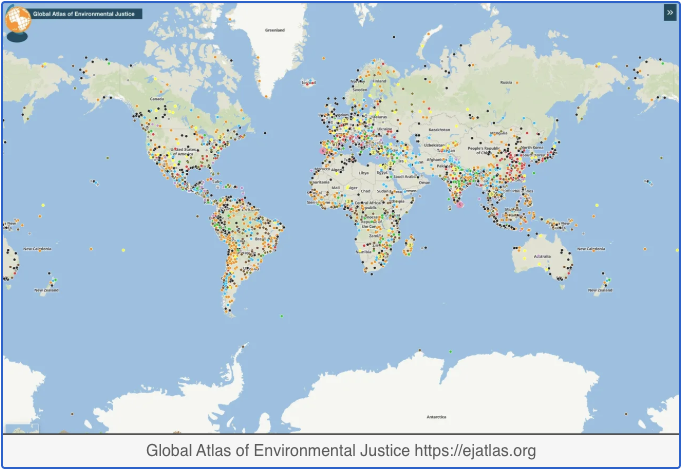
May 2024 | Imbalance | Climate Change
Imbalance examines environmental-justice issues, emphasizing the disproportionate effects of climate change on vulnerable populations. The paper considers related health, economic, and gender disparities, outlining equitable policy and community-based responses.
-
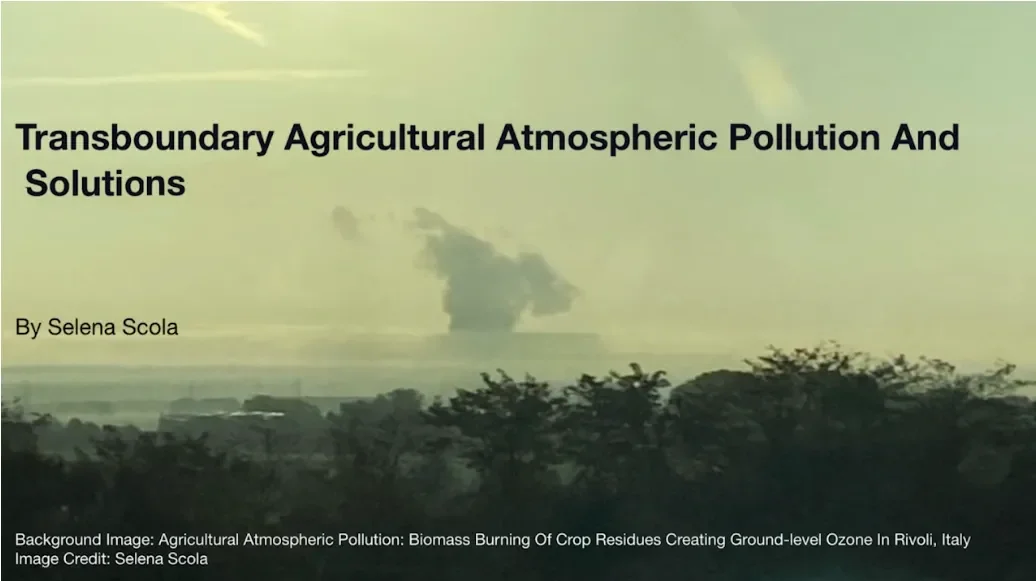
March 2024 | Transboundary Agricultural Atmospheric Pollution And Solutions | Climate Change
Transboundary Agricultural Atmospheric Pollution and Solutions examines how agricultural emissions cross borders, affecting air quality, ecosystems, climate stability, and public health. The paper assesses precision agriculture, improved livestock management, anaerobic digestion, and agroforestry as strategies for reducing pollution while supporting food security and long-term sustainability.
-
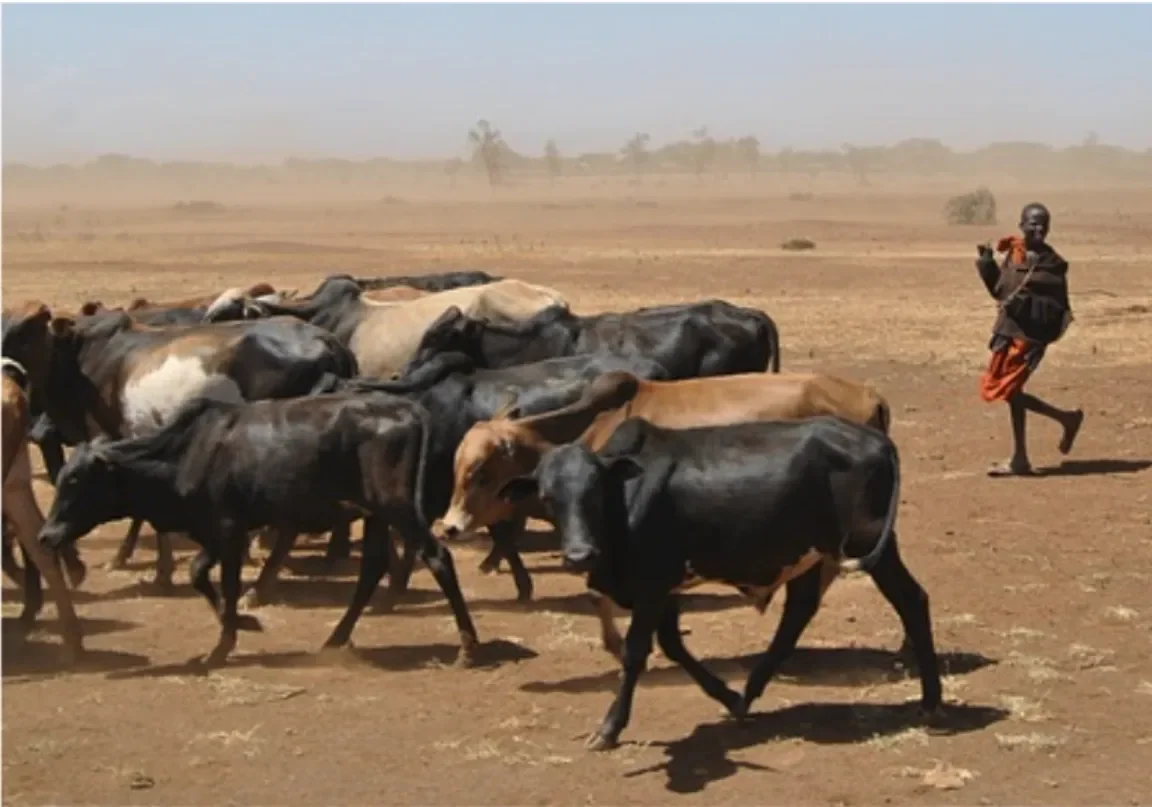
October 2023 | Drought In Our Modern World | Climate Science
Drought in Our Modern World examines drought’s effects on food security, health, economies, migration, and vulnerable communities across India, Africa, Amsterdam, the United States, and Puerto Rico.
-

July 2023 | Shared Language, Shared Understanding: Navigating Climate Change Through Collaborative Linguistic Narratives | Climate Change
Shared Language, Shared Understanding: Navigating Climate Change Through Collaborative Linguistic Narratives examines how language and competing narratives shape public understanding of climate change. The paper addresses misinformation and presents a Fairness, Accountability, Transparency, and Ethics (FATE) framework for equitable climate communication.
-
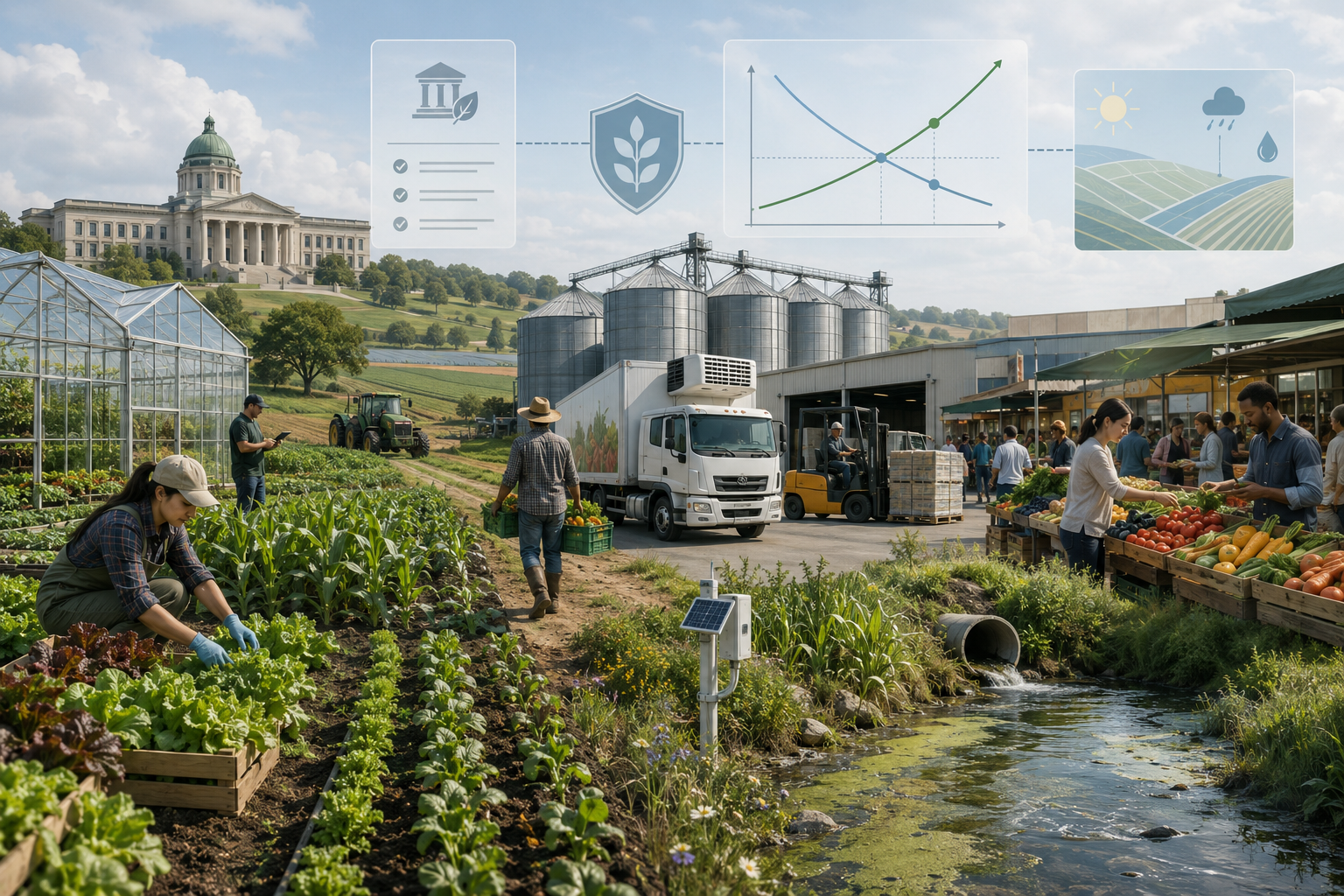
April 2023 | Government Interventions And The Agricultural Market | Food Security
Agricultural Market Research examines how production inputs, government policies, climate conditions, and supply-and-demand dynamics affect farmers, consumers, and food access. The paper considers market inefficiencies, environmental externalities, and equitable policy approaches for long-term sustainability.
-
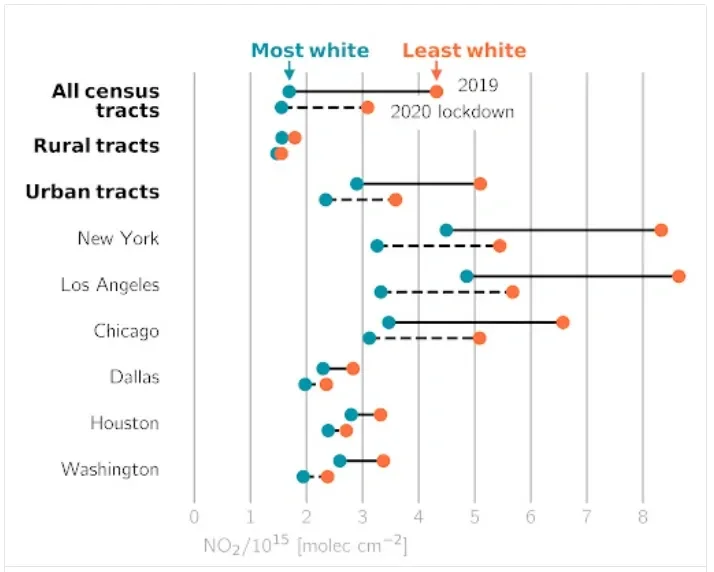
March 2023 | Climate Inequality | Public Health
Climate Inequality examines how climate change, air pollution, and environmental degradation disproportionately affect marginalized communities. The paper considers connections among race, socioeconomic status, public health, and environmental justice, outlining policy approaches for equitable climate action.
-
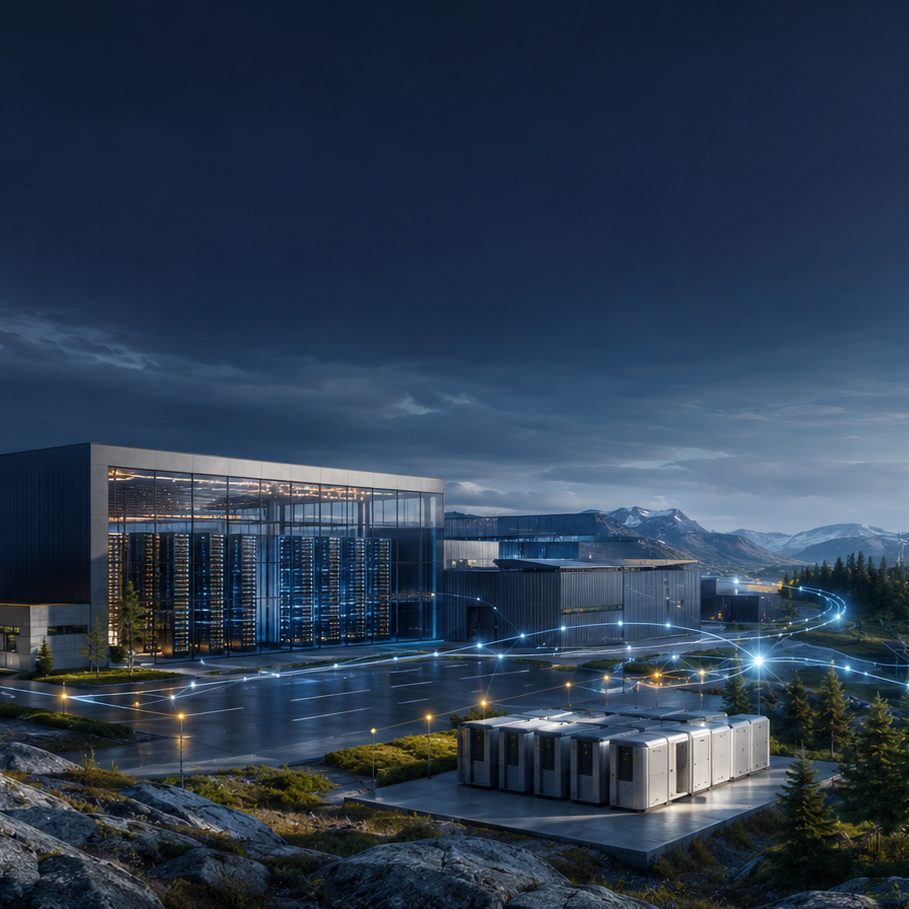
October 2022 | Making The Internet And Data Centers Globally Sustainable | CSR / ESG
Making the Internet Globally Sustainable examines the energy demands and environmental impacts of internet infrastructure, with a focus on Nordic data centers. The paper evaluates technical and policy options for renewable energy, climate resilience, emissions management, and community acceptance.
-
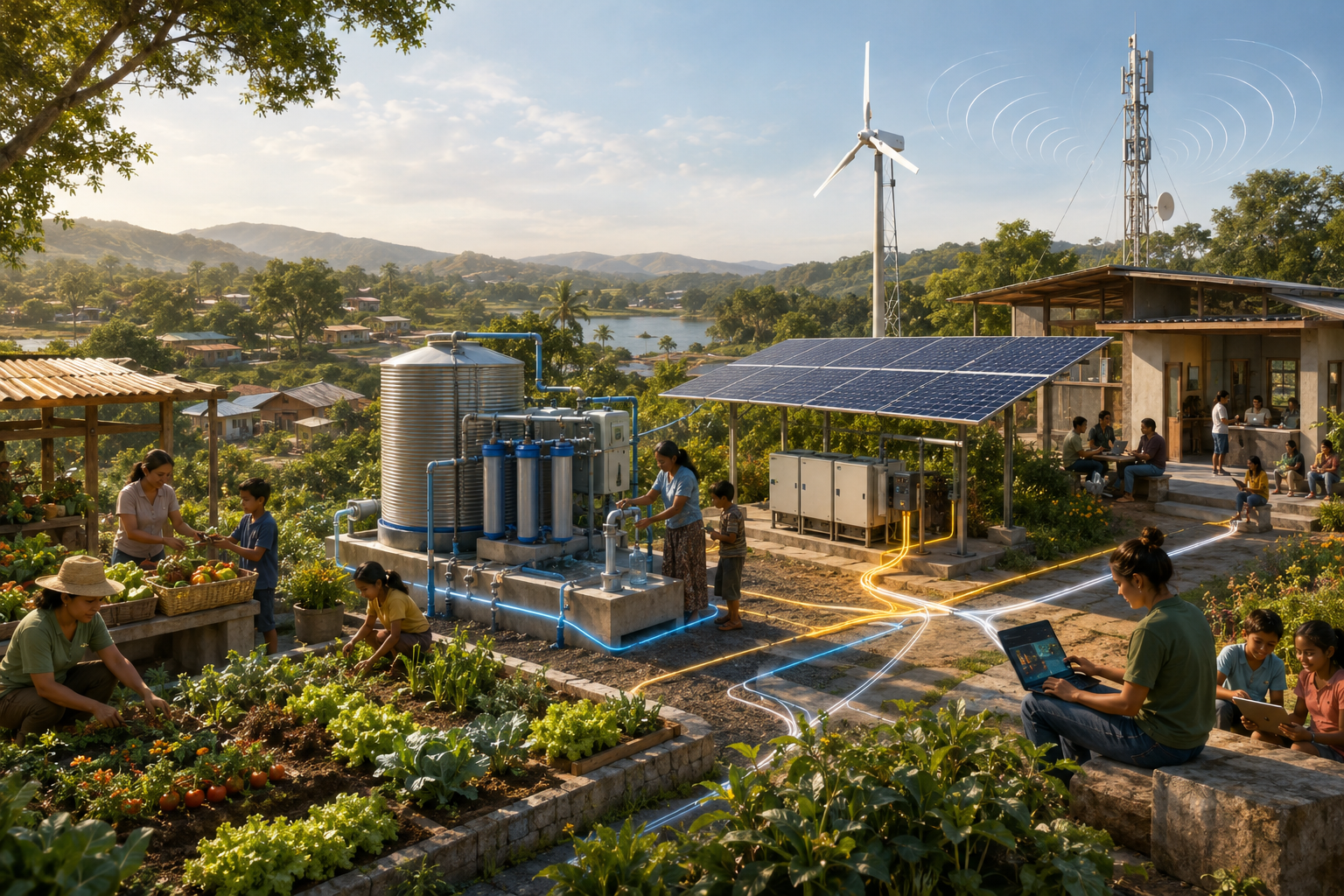
September 2022 | Participatory Futures Project | Climate Change
Participatory Futures Project examines food insecurity, access to clean water, sustainable energy supply, and internet connectivity as interconnected conditions for human survival and resilience. The paper considers infrastructure, public policy, and equitable development strategies for underserved communities.
-
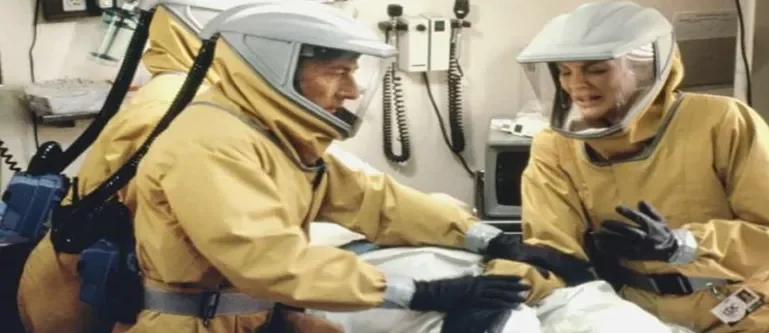
March 2022 | Exploring The Evolution Of Pandemic Narratives | Public Health
Exploring The Evolution Of Pandemic Narratives examines how COVID-19 reshaped cultural narratives across film, social media, healthcare, incarceration, and nursing homes. The paper considers how fear, misinformation, grief, inequality, and adaptation influenced public understanding and social behavior during the pandemic.