Imbalance | May 15, 2024 | Climate Change
Economic Inequities
Economically, climate change impacts the livelihoods of many, particularly those dependent on natural resources for their income, such as farmers and fishermen. Extreme weather events and shifting climate zones can devastate crops and fisheries, leading to food insecurity and loss of income. This economic strain can force individuals and families into poverty, limiting their access to opportunities and resources necessary for upliftment. Moreover, the financial burden of adapting to climate change often falls on those least able to bear it, deepening existing economic inequalities.
Gender Inequality
Climate change also exacerbates gender inequalities. Women, particularly in rural areas of developing countries, are often responsible for gathering food, water, and fuel for their families. As resources become scarcer due to climate change, these tasks become more time-consuming and dangerous, further limiting women's opportunities for education and employment. Additionally, women are more likely to face gender-based violence and other forms of discrimination in the aftermath of natural disasters.
The Way Forward
Addressing the social and human rights injustices amplified by climate imbalance requires a multifaceted approach. It calls for global cooperation to reduce greenhouse gas emissions and limit global warming. Equally important is implementing adaptation and resilience-building strategies that prioritize the needs of the most vulnerable. These strategies include investing in sustainable infrastructure, ensuring access to healthcare and education, and supporting economic opportunities resilient to climate change.
International policies and agreements must recognize and address climate change's intersectionality, ensuring that human rights are at the forefront of climate action. Grassroots movements and community-led initiatives also play a crucial role in advocating for justice and equity in the face of climate change, highlighting the need for inclusive and equitable solutions that leave no one behind.
In sum, climate imbalance is an environmental issue and a profound question of justice, equity, and human rights. The response to this crisis must be rooted in recognizing the inherent dignity of all individuals and a commitment to addressing the deep inequalities that climate change both reveals and exacerbates.
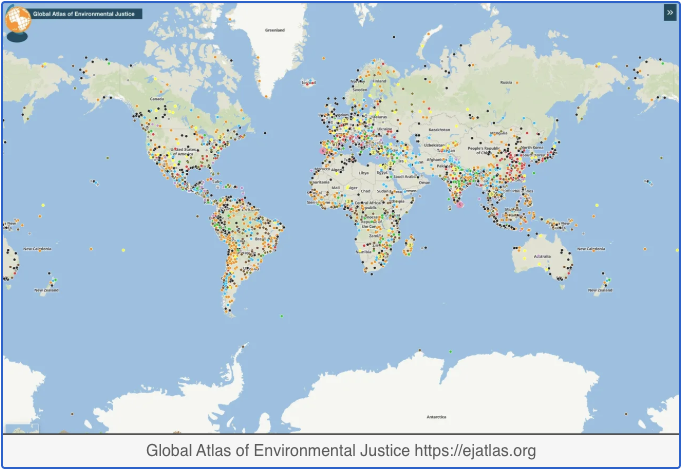
For more information on environmental injustice, see EJAtlas - Global Atlas of Environmental Justice at https://ejatlas.org.
Imbalance
Climate imbalance, more widely recognized as climate change, has profound and multifaceted impacts on the planet and its inhabitants, particularly affecting the most vulnerable populations. This complex issue intersects significantly with social and human rights injustices, revealing and exacerbating existing inequalities and creating new forms of disparity.
Environmental Injustice
The effects of climate change are not felt equally across the globe. The most vulnerable populations, including those in developing countries, indigenous communities, and marginalized groups, often bear the brunt of environmental degradation despite contributing the least to global emissions. These communities face greater risks from natural disasters, such as hurricanes, floods, and droughts, which are becoming more frequent and severe due to climate change. The resulting displacement, loss of homes, and destruction of livelihoods not only exacerbate existing inequalities but also infringe upon fundamental human rights to shelter, food, and security.
Health Disparities
Climate imbalance also poses significant health risks, disproportionately affecting the vulnerable. Increased temperatures can lead to more heatwaves, contributing to heat-related illnesses and deaths. Changes in climate patterns also facilitate the spread of vector-borne diseases, such as malaria and dengue fever, into new areas, primarily affecting those with the least resources to combat them. Poor air quality, a consequence of fossil fuel emissions, further exacerbates respiratory and cardiovascular diseases among the most exposed populations, often in low-income urban areas.