Transboundary Agricultural Atmospheric Pollution And Solutions | March 2024| Climate Change
Introduction
The perpetuation of archaic agricultural resource management practices constitutes formidable challenges for the sector's trajectory of sustainable long-term development and growth due to increasing demands of food security, environmental sustainability, resource efficiency, rapid demographic expansion, the encroachment of urban development on lands traditionally dedicated to agriculture, and the exigencies imposed by climate change preempt of regulatory mandates to diminish atmospheric pollution. The implementation of agricultural technologies (AgTech or AgriTech) is instrumental in ensuring the welfare of agricultural laborers, safeguarding global trade dynamics, and mitigating the adverse effects of atmospheric transboundary pollution associated with the agricultural sector. (U.S. Department of Agriculture, 2024).
Transboundary Anthropogenic Atmospheric Agricultural Pollution
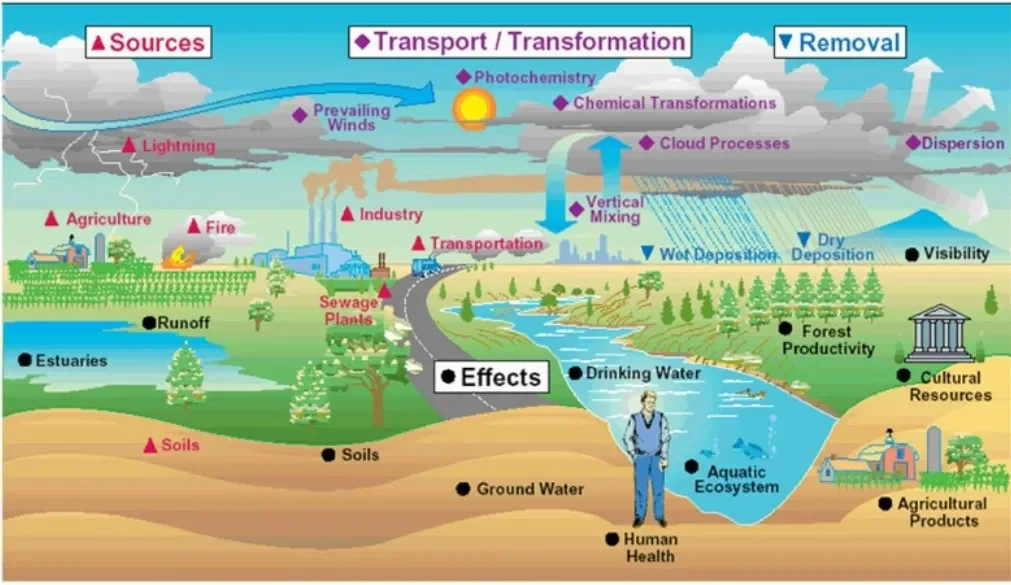
Transboundary atmospheric pollution originates in one region or country and flows into another region or country with the potential to damage the other country's ecological environment, affecting its air quality, water, soil, and population health. Transboundary anthropogenic agricultural pollutants include greenhouse gasses (GHGs) such as carbon dioxide (CO2), methane (CH4), and nitrous oxide (N2O), in addition to particulate matter (PM), volatile organic compounds (VOCs), nitrogen oxides (NOx), and ammonia (NH3). When nitrogen oxides (NOx) and ammonia (NH3) are released from agribusiness activities such as the application of synthetic and organic fertilizers and pesticides, livestock farming, crop cultivation and harvesting, the burning of agricultural residues, transport activities, and energy usage, the atmospheric pollutants can travel hundreds or thousands of miles settling in neighboring regions, in the formation of secondary particulate matter and ground-level ozone (O3), resulting in smog formation, reduced air quality, and various health problems for populations living far from the source of emissions.
Figure 1: Transboundary Transport
Agricultural Greenhouse Gas Emissions and Atmospheric Pollution
Agricultural activities contribute to atmospheric pollution through the emission of anthropogenic agricultural greenhouse gasses (GHGs) such as carbon dioxide (CO2), methane (CH4), nitrous oxide (N2O), chlorofluorocarbons (CFC), and hydrofluorocarbons (HFCs). Sources of anthropogenic agricultural greenhouse gasses (GHGs) include but are not limited to: "enteric fermentation, manure management, rice cultivation, synthetic fertilizers, manure applied to soils, manure left on pasture, crop residues, cultivation of organic soils, burning crop residues, [deforestation,]... biomass burning [land use]" (Tubiello et al., 2014), industrial processing, energy and transportation (coal, oil, and natural gas) use in agriculture.
Figure 2: Anthropogenic Agricultural Emissions Of Main Pollutants
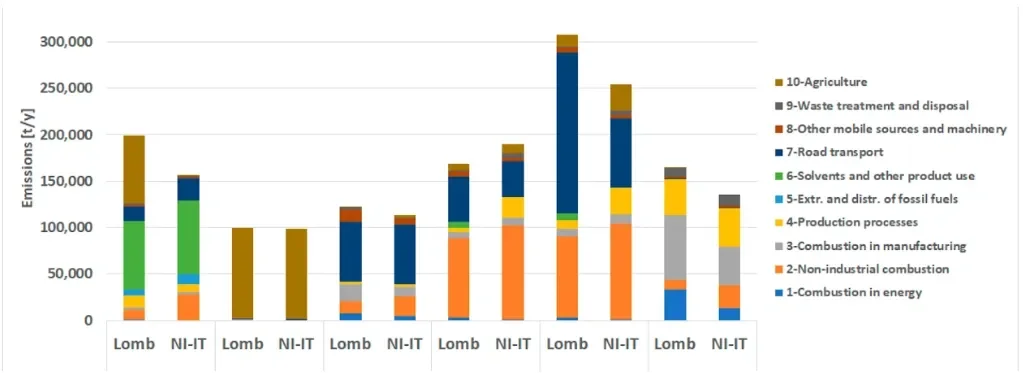
Image Source: Implementation of an On-Line Reactive Source Apportionment (ORSA) Algorithm in the FARM Chemical-Transport Model and Application over Multiple Domains in Italy. https://doi.org/10.3390/atmos15020191
Greenhouse gasses (GHGs) And The Greenhouse Effect
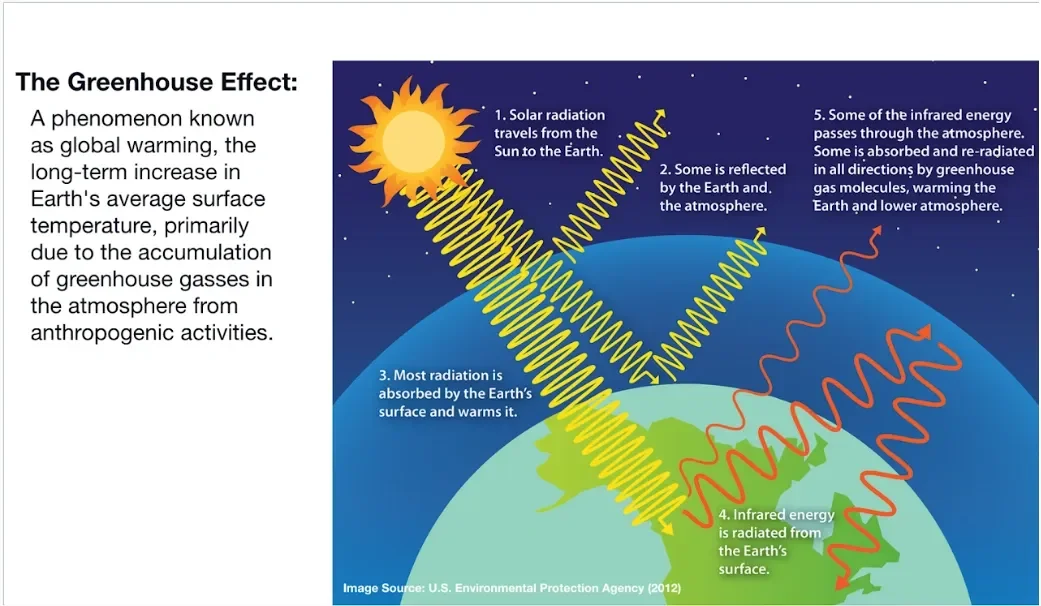
Greenhouse gasses (GHGs) are gasses in the atmosphere that absorb and re-emit heat inside the Earth's atmosphere, a process essential for maintaining the Earth's habitable temperature. GHGs are chemical compounds such as carbon dioxide (CO2), methane (CH4), nitrogen oxide (N2O), ozone (O3), water vapor, and fluorinated gasses. GHGs affect Earth's surface temperature, a phenomenon known as global warming, the long-term increase in Earth's average surface temperature, primarily due to the accumulation of greenhouse gasses in the atmosphere from anthropogenic (human) activities. These gasses enhance the natural greenhouse effect, trapping more heat in our atmosphere, which impacts global climate patterns and, over time, exacerbates the natural greenhouse effect, posing significant risks to global climate patterns. For clarity purposes, The Greenhouse Effect is the natural warming of Earth resulting from gasses in the atmosphere trapping heat from the sun that would otherwise escape into space (Denchak, 2023) and global warming accumulation of GHGs (greenhouse gasses) in the atmosphere from anthropogenic (human) activities.
Figure 3: The Greenhouse Effect
Atmospheric Agricultural Pollution and GHGs (Greenhouse Gasses)
The primary contributors to agricultural GHG emissions are carbon dioxide (CO2), methane (CH4), and nitrous oxide (N2O) due to deforestation, biomass burning, livestock management, and manure management. Methane (CH4) and nitrogen oxide (N2O) are by-products emitted from livestock animals (cows, sheep, pigs, and goats) and open-air anaerobic decomposition of organic material. For the purposes of this paper, we are defining anthropogenic agricultural activity emission sources as emissions from livestock management and enteric and non-enteric fermentation, manure and other waste management, rice cultivation, energy usage, deforestation, biomass burning, prescribed burning, soil cultivation practices, industrial processing, and the utilization of fossil fuels (coal, oil, and natural gas) for energy and transportation.
GHGs Carbon dioxide (CO2), Methane (CH4), Nitrous Oxide (N2O), and Water Vapor
Methane (CH4) molecules absorb and emit infrared radiation from the sun, trapping 25 times more heat in the atmosphere than carbon dioxide (CO2) (Fischetti, M. (2009); for example, one tonne of atmospheric methane (CH4) is equivalent to 28 to 36 tonnes of carbon dioxide (CO2) over the course of 100 years (IEA, 2021). The trapped heat increases the Earth's surface temperature, a phenomenon known as global warming. Hence, agricultural methane (CH4) significantly contributes to Earth's temperature increases, impacting weather patterns across climate zones worldwide. Carbon dioxide (CO2) is a colorless, odorless GHG naturally present in the Earth's atmosphere. Carbon dioxide (CO2) is released into the atmosphere through natural and anthropogenic (human) activities. Natural carbon dioxide (CO2) sources include respiration by living organisms, decomposition of organic matter, volcanic eruptions, and the exchange of carbon dioxide (CO2) between the atmosphere and the oceans. Agricultural anthropogenic sources of carbon dioxide (CO2) include agricultural operations such as deforestation, biomass burning, soil cultivation practices, industrial processing, and the use of fossil fuels (coal, oil, and natural gas) for energy and transportation. Nitrous oxide (N2O) is released from agricultural manure management, the disbursement of soil fertilizers (synthetic and organic), and the cultivation of nitrogen-fixing crops.
As atmospheric pollutants progressively accumulate and react with atmospheric water vapor, they amplify temperature fluctuations initially created by global warming, thus creating a feedback loop intensifying the initial temperature variations. These amplified temperature changes warm the oceans and the air, further increasing the probability of extreme meteorological events such as cyclones, flooding, mudslides, and more.
Figure 4: GHGs (Greenhouse Gasses)
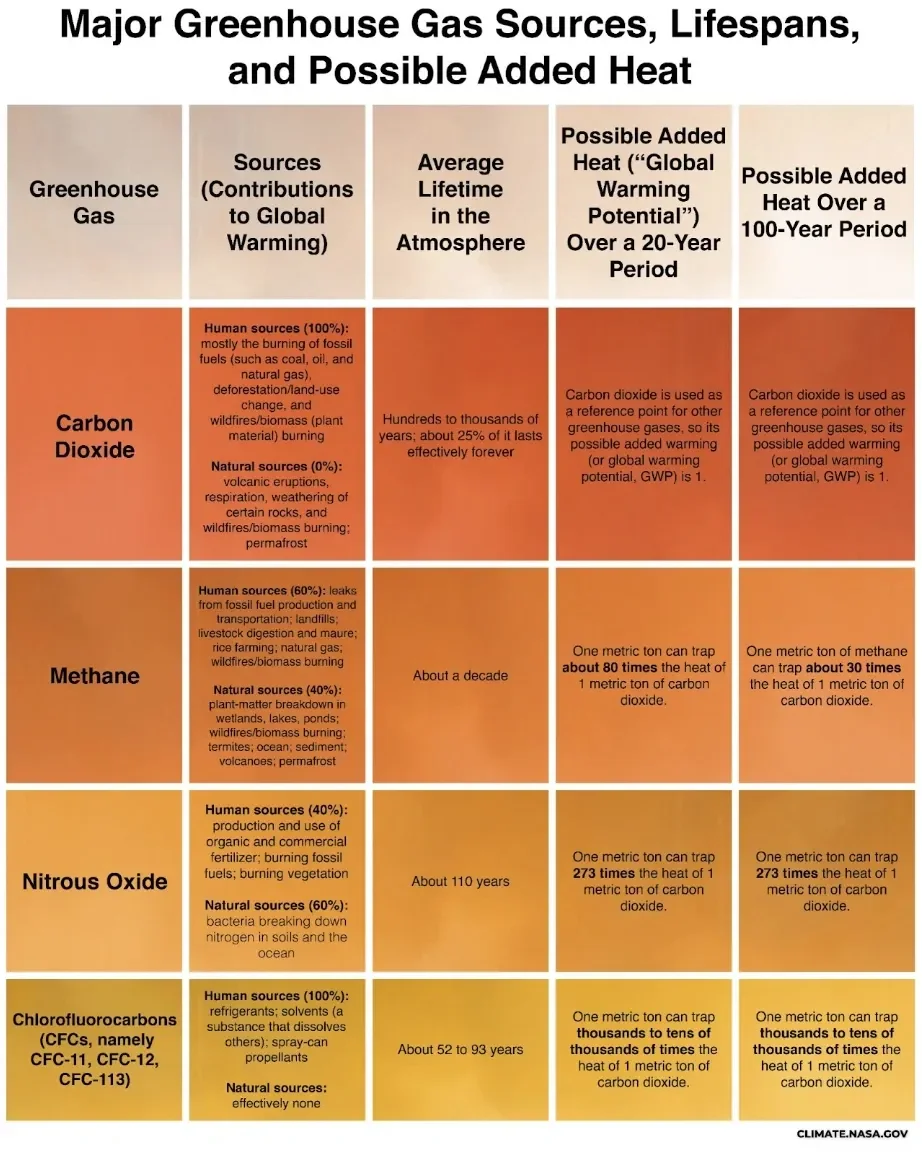
Graphic Source Credit: Nasa Climate/JPL-Caltech (2023)
Other Forms of Agricultural Atmospheric Pollution
Beyond GHGs, agriculture emits volatile organic compounds (VOCs), nitrogen oxide (NOx), ammonia (NH3), ground-level ozone (O3), and particulate matter (PM). These pollutants have transboundary (cross-border) effects, impacting regions far from their original source, creating serious health risks for human populations, and environmental degradation.
Volatile organic compounds (VOCs)
Volatile organic compounds (VOCs) are a primary pollutant belonging to a broad class of organic anthropogenic and biogenic chemicals varying in characteristics and origins. Their high volatility and reactivity under ambient conditions produce secondary pollutants such as smog and the formation of ground-level ozone (O3) through atmospheric chemical reactions by reacting with nitrogen oxides (NOx) and carbon monoxide (CO) in the atmosphere in the presence of sunlight; these secondary organic aerosols negatively impact air quality and public health as exposure to VOCs can lead to irritation of the eyes, nose, and throat and at higher concentrations or over prolonged periods, can result in severe health issues, including liver and kidney damage or cancer, and may even be fatal.
Particulate Matter (PM)
Agricultural particulate matter (PM) encompasses a spectrum of tiny solid particles and liquid droplets that become airborne from varied agricultural practices. These particulates are characterized by their aerodynamic diameters, notably PM10 and PM2.5, which indicate particles under 10 micrometers and 2.5 micrometers in size, respectively. Particulate matter (PM) arises through activities such as tilling, harvesting, the combustion of agricultural waste, and livestock management, contributing significantly to atmospheric particulate levels. The significance of agricultural particulate matter (PM) lies in its multifaceted impact on air quality, climate, and human health. The formation of particulate matter (PM) from agricultural sources, including ammonia emissions from fertilizer application and livestock waste, plays a critical role in atmospheric chemistry. Ammonia, for instance, reacts with other pollutants to form secondary particulate matter (PM), impacting air quality and health. Furthermore, particulate matter (PM) from agriculture contributes to the broader issue of air pollution, influencing the formation of ground-level ozone (O3) and smog (National Atmospheric Emissions Inventory U.K. (NAEI), n.d.) and carrying implications for respiratory and cardiovascular health.
Sources of agricultural particulate matter (PM) are diverse, from soil disturbance through plowing, construction activities, road use, maintenance within agricultural operations, and movement and housing of animals, the management of animal operations such as the handling and management of manure to deforestation, biomass burning of crop residues which releases release ash, soot, and other particles into the atmosphere, to the application of dry fertilizers and pesticide.
These anthropogenic activities impact the environment further contributing to the formation of haze, affecting visibility, degrading the air quality, damaging plant life by depositing particulate matter (PM) on leaf surfaces, thus reducing photosynthesis and degrading water quality when deposited in water bodies through particulate matter (PM) deposition. The health implications of particulate matter (PM) exposure are profound, encompassing both acute and chronic effects. Short-term exposure can exacerbate respiratory and cardiovascular conditions, while long-term exposure has been linked to more severe outcomes, including diminished lung function, disease development, and reduced life expectancy (Lunghi et al., 2024).
Figure 5: Agricultural Atmospheric Pollution: Biomass Burning Of Crop Residues Creating Ground-level Ozone In Rivoli, Italy

Nitrogen Oxides (NOx), Ammonia (NH3), and Ground-level Ozone (O3)
In addition to particulate matter, agricultural practices emit nitrogen oxides (NOx) and ammonia (NH3), precursors to particulate matter (PM) and ground-level ozone (O3) formation of smog, affecting the aesthetic beauty of natural landscapes. When nitrogen oxides (NOx) and ammonia (NH3) react with sulfur dioxide (SO2), combined with other VOCs and and sunlight, they form secondary inorganic aerosols, such as ammonium nitrate (NH4NO3), ammonium sulfate ((NH4)2SO4). When these compounds react with water vapor, the concentration of fine particulate matter (PM2.5) increases in the atmosphere. While ozone (O3) in the stratosphere protects life on Earth from ultraviolet radiation, at ground level, ozone (O3) is a harmful pollutant that can exacerbate respiratory diseases, reduce lung function, and increase mortality rates as fine particulate matter (PM) penetrates deep into the lungs, with an ability to enter the bloodstream, posing further health risks.
Anthropogenic agricultural ammonia (NH3) enters the atmosphere as it is released from livestock excretions such as urine and feces and the application of fertilizers (synthetic and organic), and contributes to the formation of secondary particulate matter (PM) and affects the Earth's radiative balance. When high amounts of atmospheric ammonia (NH3) combine with nitrogen oxides (NOx) in the atmosphere and react with water vapor, they form nitric acid (HNO3), contributing to the phenomenon of acid rain. Acid rain has detrimental effects on natural ecosystems, damaging forests, lakes, and rivers, leading to biodiversity loss. It accelerated the decay of building materials and paints, including culturally significant monuments and statues. Nitrogen oxides (NOx) and ammonia (NH3) contribute to the nutrient enrichment of terrestrial and aquatic ecosystems, a process known as eutrophication. This can lead to excessive growth of algae and other aquatic plants, disrupting ecosystems and leading to the depletion of oxygen in water bodies, which can kill fish and other aquatic life.
The interactions between Nitrogen oxides (NOx), ammonia (NH3), and particulate matter (PM) in the atmosphere underscore the interconnectedness of air quality issues and highlight the importance of integrated approaches to manage and mitigate the emissions of these pollutants to protect air quality, population health, and the environment.
Figure 5 shows the interactions between the greenhouse effect, anthropogenic activity, and natural cycles explained throughout this paper.
Figure 6: Greenhouse Effect
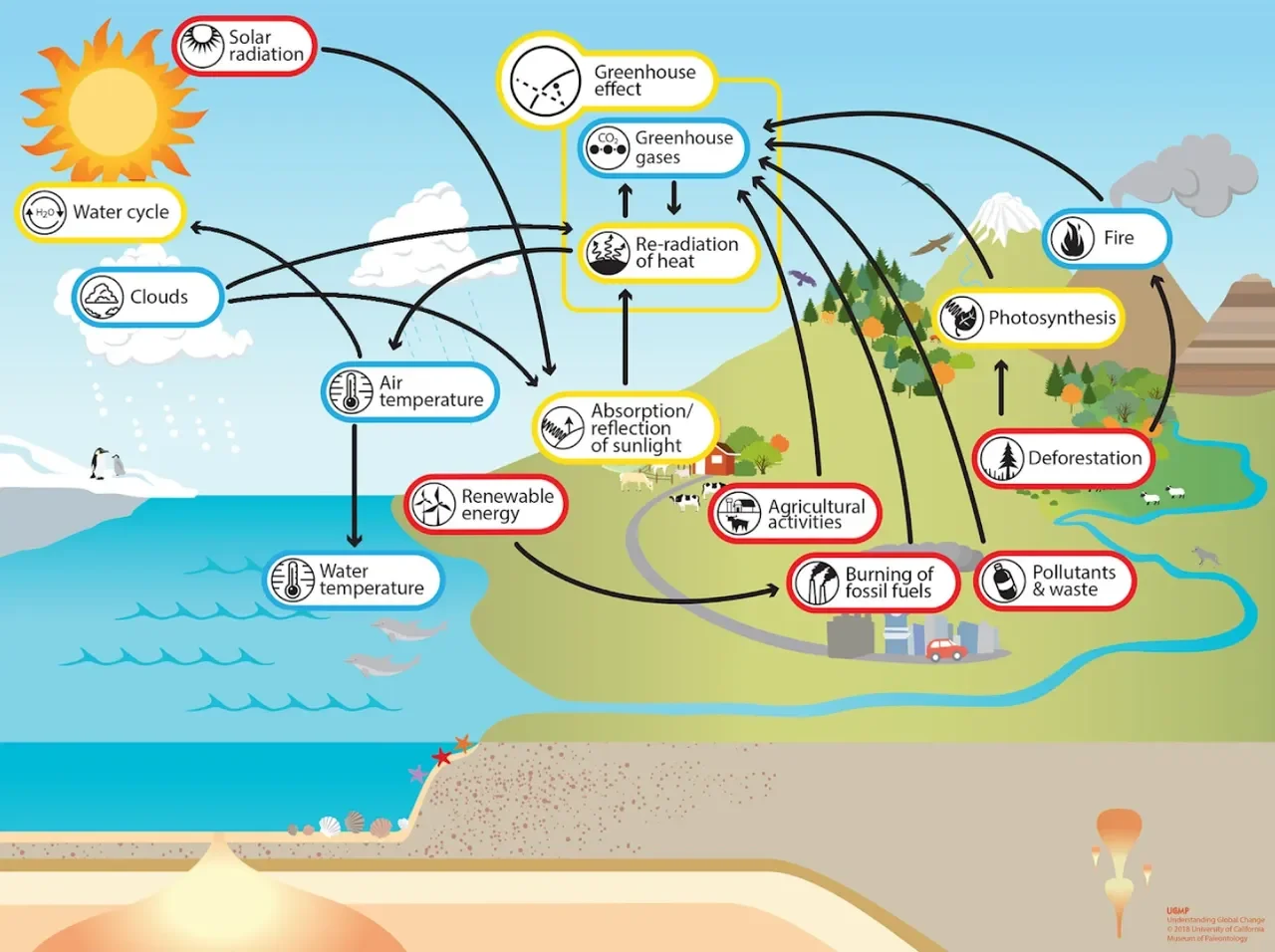
Image Source: University of California Museum of Paleontology (UCMP) (2024) *Note: This image has been altered; this image contains three images from the figure source condensed into one image by Selena Scola for the purposes of this paper.
Solutions to Mitigate Transboundary Agricultural Atmospheric Pollution: Assessing Realistic Pathways To Mitigate Climate Change
In response to the challenges posed by transboundary anthropogenic atmospheric agricultural pollution, there is an increased focus on the development and implementation of agricultural technologies (AgTech or AgriTech) solutions, ensuring the welfare of agricultural laborers, safeguarding global trade dynamics, and mitigating the adverse effects of atmospheric transboundary pollution associated with the agricultural sector. (U.S. Department of Agriculture, 2024).
Precision Agriculture (P.A.)
Precision agriculture (P.A.) minimizes waste and runoff and reduces the amount of atmospheric pollution emissions into the environment through the implementation of GPS technology, sensors, and data analytics to optimize the utilization of water, fertilizers, and pesticides (Abdullah et al., 2023).
Livestock Management Systems
Seaweed and macroalgae are utilized as low-emission livestock feedstock. When included in the diets of ruminant animals such as cows and sheep, seaweed significantly reduces methane (CH4) production during digestion. As a crop, seaweed enhances marine biodiversity by providing habitats for a variety of marine species, improves water quality in the ocean by absorbing excess nutrients from runoff, and absorbs carbon dioxide (CO2) from the atmosphere whether it is growing in the water or as a nutrient-rich additive for soil.
The implementation of anaerobic digestion systems to capture methane from manure for energy production, thus preventing its release into the atmosphere. Other "benefits include diversified farm revenue, rural economic growth, agricultural land conservation, energy independence, sustainable food production, and farm-community relationships" (U.S. Environmental Protection Agency, 2023).
Figure 7: Flow Of Feedstocks Through The Anaerobic Digestion System To Produce Biogas And Digestate
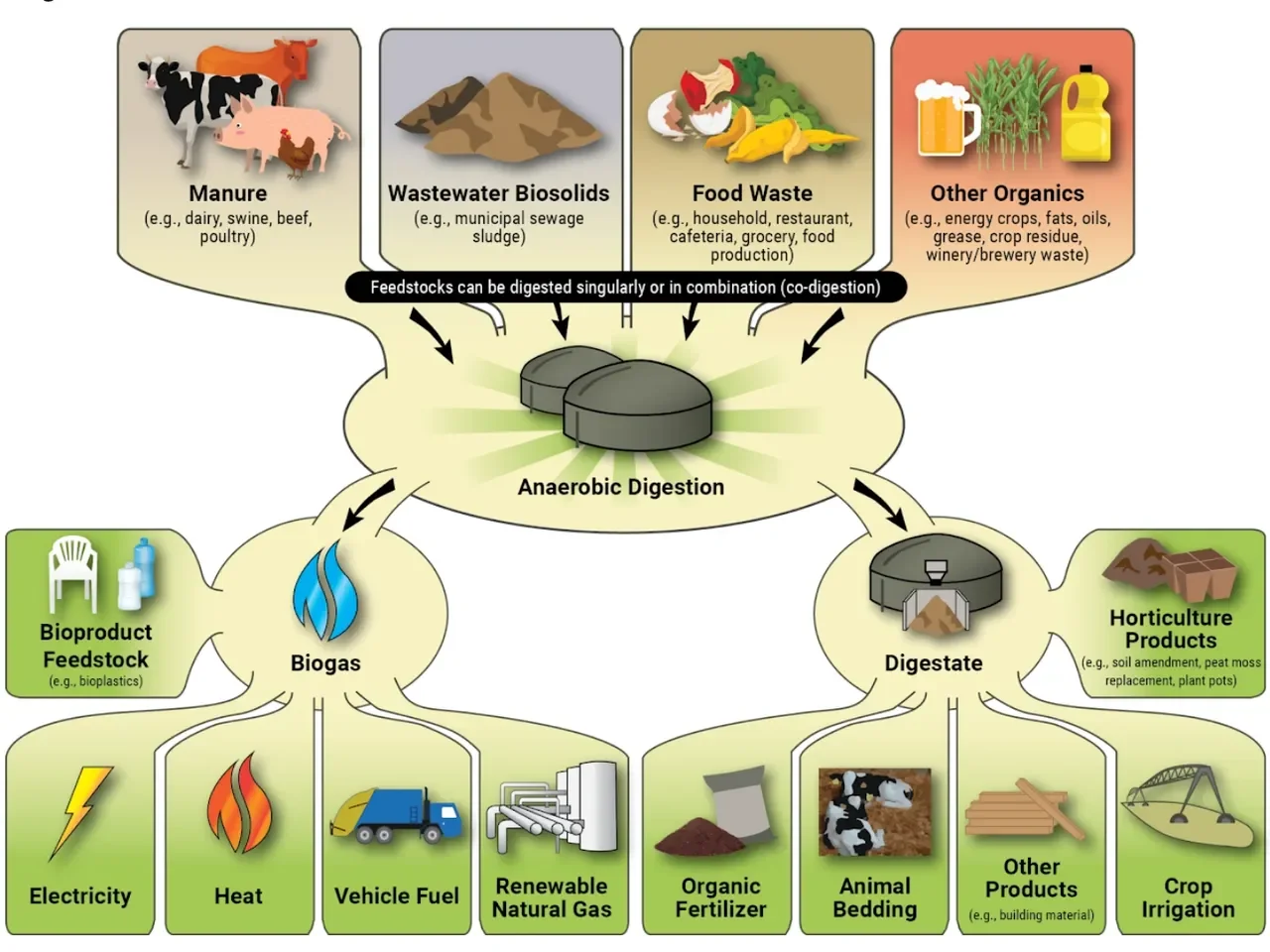
Image Source: U.S. Environmental Protection Agency, 2023
Agroforestry Systems (AFS)
Agroforestry systems (AFS) integrate trees and shrubs into the agricultural landscape to sequester carbon from the soil and atmosphere, reduce soil erosion, lower the need for chemical inputs, and retain water. Hence, the inputs for the development of ground-level ozone (O3), a precursor to smog formation, are reduced. Other benefits include varied income sources such as diverse food supplies, fibers, wood, and bioenergy from lumber, firewood, maple syrup, ginseng, and medicinal plants. Agroforestry also creates long-term and migratory habitats for wildlife.
Figure 8: Agroforestry Systems (AFS) Ecological Services (ES) For Well-Being
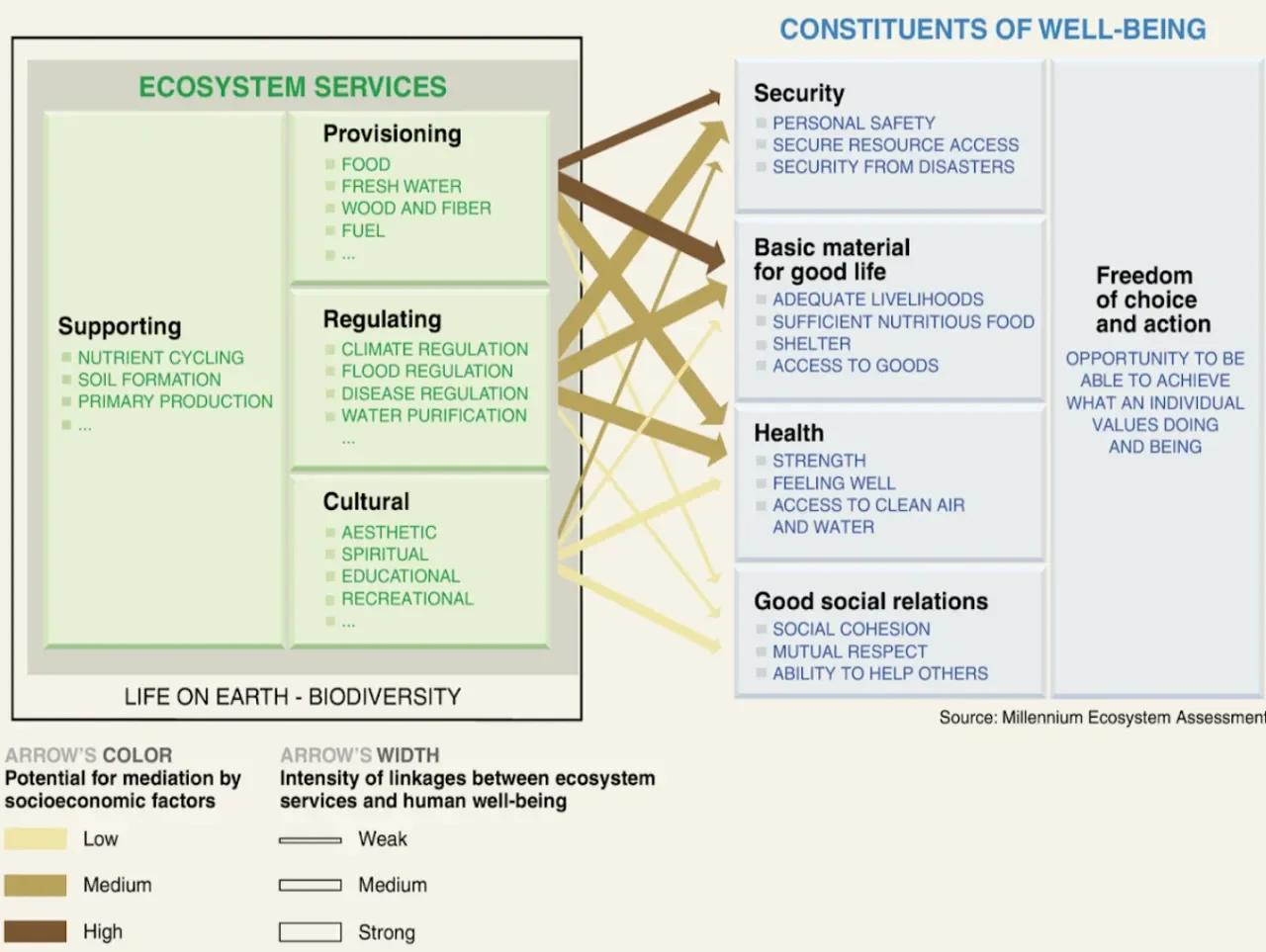
Image Source: Millennium Ecosystem Assessment (2005)
Conclusion
In conclusion, archaic agricultural resource management practices contribute to the emission of harmful pollutants into the atmosphere, adversely affecting local and transborder regions' air quality, overall population health, economic health, and climate stability. The adoption of AgTech solutions is recommended to mitigate the negative impact of anthropogenic agricultural activities on the environment in efforts to reduce methane (CH4), nitrous oxide (N2O) and carbon dioxide (CO2) emissions while simultaneously bolstering food security, environmental sustainability, and the economic viability of agricultural enterprises.
It is imperative to underscore the importance of collective action and international collaboration in implementing solutions to reduce agricultural pollution that ensure the welfare of agricultural laborers, safeguard global trade dynamics, and mitigate the adverse effects of atmospheric transboundary pollution associated with the agricultural sector ahead of regulatory frameworks for a long-term sustainable future of growth.
Bibliography
U.S. Department of Agriculture (2024, February 28). Long-Term Agricultural Baseline Projections. Usda.gov. Retrieved March 2, 2024, from https://www.ers.usda.gov/topics/farm-economy/agricultural-baseline/
Tubiello, F.N., Salvatore, M., Cóndor Golec, R.D., Ferrara, A., Rossi, S., Biancalani, R., Federici, S., Jacobs, H., & Flammini, A. (2014, March). Agriculture, Forestry and Other Land Use Emissions by Sources and Removals by Sinks, 1990 – 2011 Analysis (ESS Working Paper No. 2). Climate, Energy and Tenure Division, FAO. https://www.fao.org/3/i3671e/i3671e.pdf
Denchak , M. (2023, June 5). Greenhouse Effect 101. Nrdc.org. Retrieved March 2, 2023, from https://www.nrdc.org/stories/greenhouse-effect-101
Fischetti, M. (2009). Editor's Letter. Scientific American. https://doi.org/10.1038/scientificamericanearth0609-3
IEA (2021), Methane Tracker 2021, IEA, Paris https://www.iea.org/reports/methane-tracker-2021, Licence: CC BY 4.0
U.S. Environmental Protection Agency (2024, March 5). Technical Overview of Volatile Organic Compounds. Epa.gov. Retrieved March 7, 2023, from https://www.epa.gov/indoor-air-quality-iaq/technical-overview-volatile-organic-compounds
National Atmospheric Emissions Inventory UK (NAEI) (n.d.). Transboundary Air Pollution. Retrieved March 7, 2023, from https://naei.beis.gov.uk/overview/issues?issue_id=2#
Lunghi , J., Malpede , M., & Reis , L. A. (2024). Exploring the impact of livestock on air quality: A deep dive into Ammonia and particulate matter in Lombardy. Environmental Impact Assessment Review (EIA Review), 105. https://doi.org/10.1016/j.eiar.2024.107456
Abdullah, H. M., Islam, N., Md, Saikat, M. H., & Bhuiyan, A., Md (2023). Chapter 1 - Precision agriculture practices from planting to postharvest: Scopes, opportunities, and challenges of innovation in developing countries. Remote Sensing in Precision Agriculture Transforming Scientific Advancement Into Innovation, 3-26. https://doi.org/10.1016/B978-0-323-91068-2.00014-X
U.S. Environmental Protection Agency (2020, October 10). Agriculture and Aquaculture: Food for Thought. Epa.gov. Retrieved March 2, 2024, from https://www.epa.gov/snep/agriculture-and-aquaculture-food-thought#
Li, Y., Alaimo, C. P., Kim, M., Kado, N. Y., Peppers, J., Xue, J., Wan, C., Green, P. G., Zhang, R., Jenkins, B. M., Vogel, C. F. A., Wuertz, S., Young, T. M., & Kleeman, M. J. (2019). Composition and Toxicity of Biogas Produced from Different Feedstocks in California. Environmental science & technology, 53(19), 11569–11579. https://doi.org/10.1021/acs.est.9b03003
U.S. Environmental Protection Agency (2024, January 20). How Does Anaerobic Digestion Work? Epa.gov. Retrieved March 2, 2024, from https://www.epa.gov/agstar/how-does-anaerobic-digestion-work
U.S. Environmental Protection Agency (2023, September 20). The Benefits of Anaerobic Digestion. Epa.gov. Retrieved March 2, 2024, from https://www.epa.gov/agstar/practices-reduce-methane-emissions-livestock-manure-management
Kabir Hemel , S. A., Hasan, M. K., Akter, R., Roshni, N. A., Sayem, A., Rasul, S., & Islam, T., Md (2024). Delving into Piper chaba- based agroforestry system in northern Bangladesh: Ecosystem services, environmental benefits, and potential conservation initiatives. Trees, Forests and People, (a, b, c, d, e, f,. g). https://doi.org/10.1016/j.tfp.2024.100523
World Wildlife Fund (2020). The Potential For Seaweed As Livestock Feed 2020 Workshop Series Outcome. Retrieved March 2, 2024, from https://files.worldwildlife.org/wwfcmsprod/files/Publication/file/9b9cbyw7sg_Potential_for_Seaweed_as_Livestock_Feed_Workshop_Report_2020.pdf
Lynch, J., Cain, M., Frame, D., & Pierrehumbert, R. (2021). Agriculture's Contribution to Climate Change and Role in Mitigation Is Distinct From Predominantly Fossil CO2-Emitting Sectors. Frontiers in Sustainable Food Systems, 4. https://doi.org/10.3389/fsufs.2020.518039
Saunois, M. (2020). The Global Methane Budget 2000–2017. Earth System Science Data, 12(3). https://doi.org/10.5194/essd-12-1561-2020
Figures
Figure 1: Image Credit: U.S. Environmental Protection Agency (2017). Transboundary Air Pollution [Photograph]. Epa.gov. https://www.epa.gov/sites/default/files/2017-03/documents/eqi_slides.pdf
Figure 2: (2024). Figure 2 [Photograph]. Implementation of an On-Line Reactive Source Apportionment (ORSA) Algorithm in the FARM Chemical-Transport Model and Application Over Multiple Domains in Italy. https://www.mdpi.com/2073-4433/15/2/191
Figure 3: U.S. Environmental Protection Agency (2012). Earth's greenhouse effect [Photograph]. U.S. Environmental Protection Agency. https://www.mdpi.com/2073-4433/15/2/191
Figure 4: Nasa Climate/JPL-Caltech (2023). Graphic: Major Greenhouse Gas Sources, Lifespans, and Possible Added Heat [Photograph]. Nasa Climate/JPL-Caltech. https://climate.nasa.gov/climate_resources/345/graphic-major-greenhouse-gas-sources-lifespans-and-possible-aded-heat
Figure 5: Selena Scola (2022). Agricultural Atmospheric Pollution: Biomass Burning Of Crop Residues Creating Ground-level Ozone In Rivoli, Italy [Photograph]. S. Scola.
Figure 6: University of California Museum of Paleontology (UCMP) (2024). UNDERSTANDING GLOBAL CHANGE [Photograph]. University of California Museum of Paleontology (UCMP). https://ugc.berkeley.edu/background-content/greenhouse-effect
Figure 7: U.S. Environmental Protection Agency (2023, September 20). The Benefits of Anaerobic Digestion. Epa.gov. Retrieved March 2, 2024. https://www.epa.gov/agstar/practices-reduce-methane-emissions-livestock-manure-management
Figure 8: Millennium Ecosystem Assessment (2005). Ecosystems and Human Well-being: Opportunities and Challenges for Business and Industry. World Resources Institute, Washington, DC. https://www.unioviedo.es/ranadon/Ricardo_Anadon/docencia/DoctoradoEconomia/Millenium%20Eco%20Assesment%2005%20Oppor%20Business%20Industry.pdf